Get Vapor Barrier Installation
Vapor barrier installation services help property owners prevent moisture problems and mold in crawl spaces, basements, and other areas by connecting with local contractors who specialize in this work.
Property owners considering vapor barrier installation often seek effective solutions to protect their buildings from moisture-related issues. Proper installation can help prevent mold growth, improve indoor air quality, and safeguard structural integrity. Exploring options from experienced local contractors ensures that the project aligns with specific property needs and local building conditions, making it easier to plan and compare different service providers.
Whether upgrading an existing space or preparing for a new construction, understanding the benefits of professional vapor barrier installation can support informed decision-making. Local service providers have the expertise to handle various project requirements, providing reliable solutions tailored to the area’s unique environment. Continuing to explore your options can help identify the right partner to meet your property’s moisture control needs.
- Basement Renovations - when installing a vapor barrier can help prevent moisture issues during finishing projects.
- New Construction - for builders needing to incorporate vapor barriers into building envelopes from the start.
- Foundation Waterproofing - to protect foundations from water infiltration and related damage.
- Attic Insulation - when improving energy efficiency and preventing condensation in attic spaces.
- Commercial Buildings - for businesses seeking to control humidity and moisture in commercial or industrial spaces.
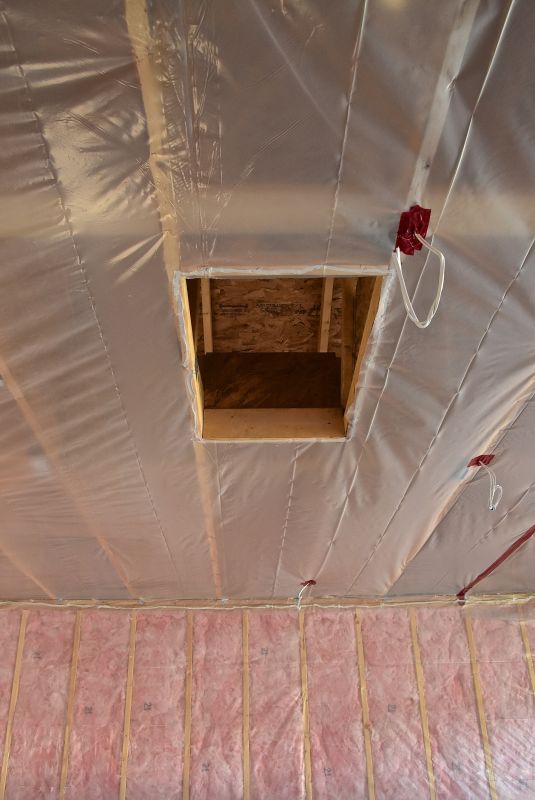
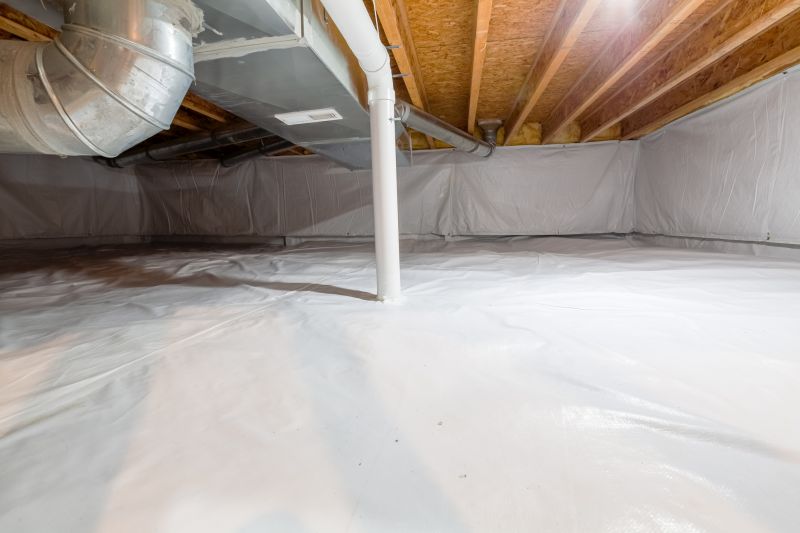
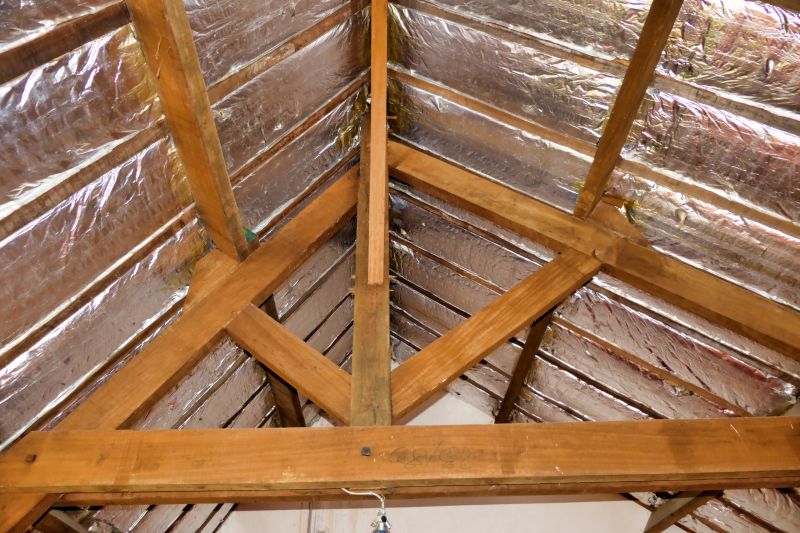
Vapor barrier installation involves placing a specialized material, typically a plastic sheet or membrane, in areas prone to moisture buildup. This barrier helps prevent water vapor from passing through walls, floors, or ceilings, which can lead to dampness and mold growth. The process usually requires identifying vulnerable spots in a property and securely installing the barrier to create a continuous, effective seal. Proper installation ensures that moisture does not accumulate where it can cause structural damage or health issues over time.
This service addresses common problems associated with excess moisture and condensation. When moisture gets trapped within building materials, it can lead to warped wood, peeling paint, and the growth of mold or mildew. Vapor barriers are especially useful in areas like basements, crawl spaces, and attics, where ventilation may be limited. By controlling moisture levels, vapor barrier installation helps maintain a healthier indoor environment and protects the integrity of the property’s structure.
Properties that typically benefit from vapor barrier installation include homes, commercial buildings, and rental units with moisture issues. New construction projects often incorporate vapor barriers as part of the building process to ensure long-term durability. Older properties, especially those with signs of dampness or mold, may also require vapor barriers to improve indoor air quality and prevent further damage. Service providers can assess the specific needs of each property to recommend the most effective solutions.
Homeowners who notice persistent dampness, musty odors, or mold growth should consider vapor barrier installation as a preventative measure. This service is also recommended when renovating or finishing basements and crawl spaces to ensure moisture does not compromise the work. Local contractors experienced in vapor barrier installation can evaluate the property’s conditions, identify problem areas, and install the appropriate barrier to help maintain a dry, healthy living environment.
The overview below groups typical Vapor Barrier Installation projects into broad ranges so you can see how smaller, mid-sized, and larger jobs often compare in your area.
In many markets, a large share of routine jobs stays in the lower and middle ranges, while only a smaller percentage of projects moves into the highest bands when the work is more complex or site conditions are harder than average.
Smaller Repairs - Typical costs for minor vapor barrier repairs or patching range from $250 to $600. Many routine jobs fall within this middle range, depending on the extent of the work needed.
Standard Installations - Full vapor barrier installations in residential spaces generally cost between $1,000 and $2,500. Most projects in this category are priced within this range, with fewer reaching higher costs for additional features.
Full Replacement - Replacing an existing vapor barrier in larger areas can range from $2,500 to $5,000 or more. Larger, more complex projects tend to push into the higher end of this spectrum.
Specialized or Complex Projects - Large-scale or custom vapor barrier work, such as in commercial buildings, can exceed $5,000. These projects are less common and often involve additional considerations that influence the overall cost.
Actual totals will depend on details like access to the work area, the scope of the project, and the materials selected, so use these as general starting points rather than exact figures.
Basement Waterproofing - involves installing vapor barriers to prevent moisture intrusion, requiring similar planning and sealing techniques used in vapor barrier projects.
Crawl Space Encapsulation - requires the installation of vapor barriers to control humidity and improve air quality, utilizing skills comparable to vapor barrier installation.
Concrete Sealant Application - involves applying protective coatings that often include vapor barriers to protect concrete surfaces from moisture damage.
Insulation Installation - includes installing vapor retarders as part of insulating systems to manage moisture and improve energy efficiency.
Foundation Wall Coating - involves applying protective layers that may incorporate vapor barriers to prevent moisture penetration through foundation surfaces.
Indoor Moisture Control - encompasses various projects aimed at reducing humidity and moisture buildup, often utilizing vapor barriers as a key component.
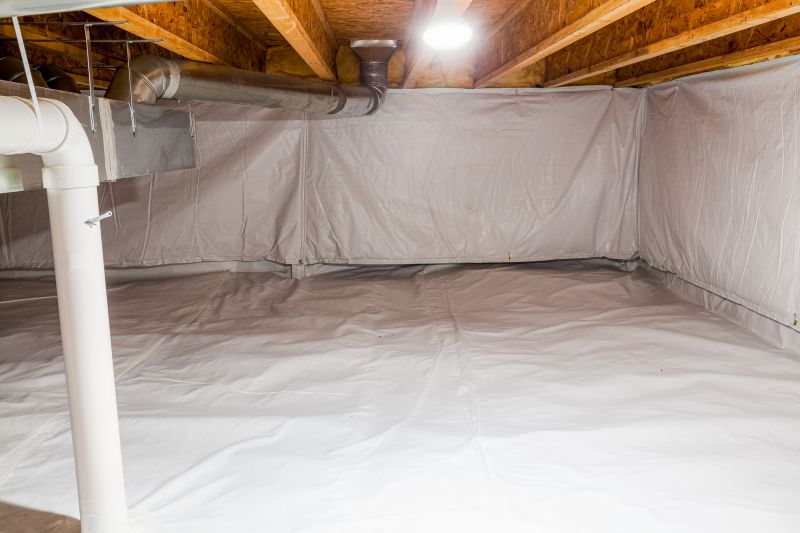
When comparing local contractors for vapor barrier installation, it’s important to consider their experience with projects similar to your own. Homeowners should look for service providers who have a proven track record of handling vapor barrier work in environments comparable to theirs, whether it’s a basement, crawl space, or other area. An experienced contractor will be familiar with the specific challenges and best practices associated with different types of spaces, helping to ensure a more effective and durable installation.
Clear, written expectations are essential to a smooth project. Homeowners should seek out service providers who can offer detailed estimates and scope of work, outlining what is included and any potential limitations. Having this clarity from the outset helps prevent misunderstandings and ensures that everyone is aligned on the project’s goals. It also provides a helpful reference point throughout the process, making it easier to evaluate proposals and make informed decisions.
Reputable references and good communication are key indicators of a reliable local contractor. Homeowners are encouraged to ask for references from previous clients or check online reviews to gauge the quality of past work and customer satisfaction. Additionally, effective communication-such as prompt responses to questions and a willingness to explain the process-can make the experience more straightforward and less stressful. These factors contribute to a positive working relationship and increase confidence that the chosen service provider can deliver a satisfactory vapor barrier installation.
Property owners use Vapor Barrier Installation services for practical projects around their homes and businesses. This guide focuses on everyday jobs and straightforward project options.
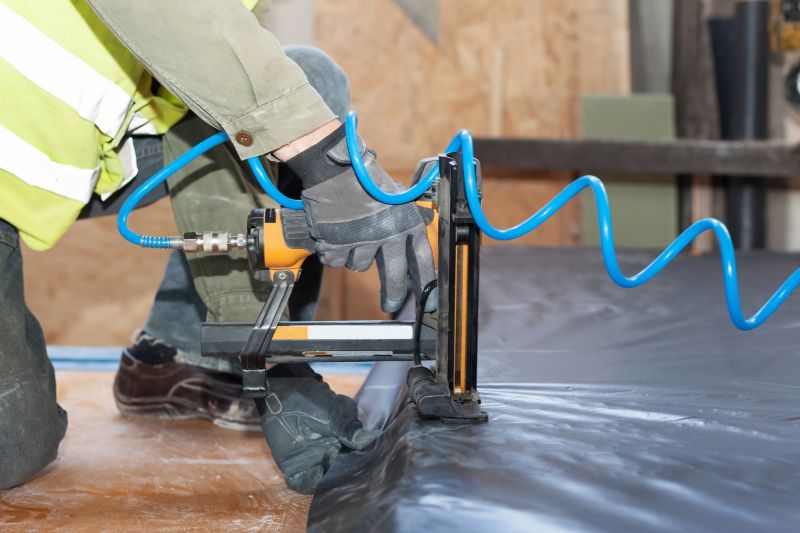
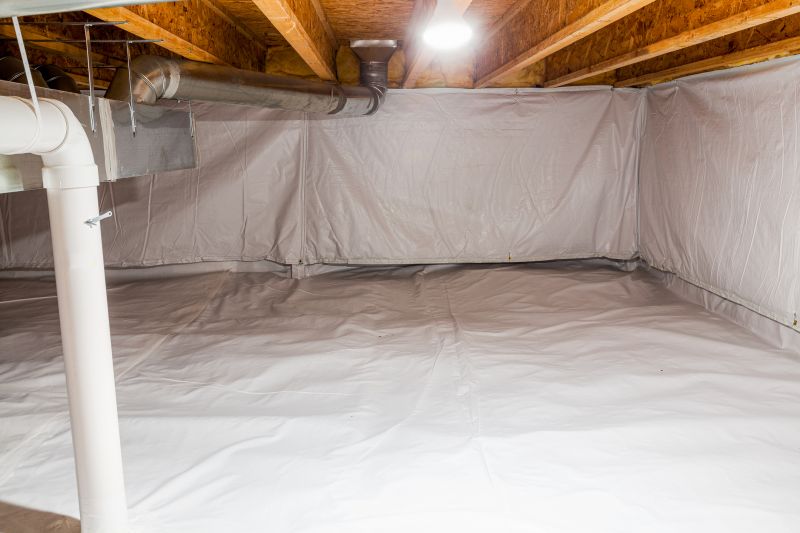
Vapor barrier installation is a common project for property owners looking to improve indoor comfort and protect their buildings from moisture issues. Local contractors often get requests from homeowners and business owners dealing with damp basements, crawl spaces, or areas prone to mold growth. Installing a vapor barrier helps prevent moisture from seeping through floors and walls, which can lead to structural damage or unhealthy indoor air quality over time. Property owners may seek these services as part of routine maintenance or when preparing a space for renovations.
Many local service providers are called upon when property owners want to enhance energy efficiency or reduce the risk of mold and mildew. These projects are often prompted by visible signs of excess moisture, musty odors, or concerns about long-term durability. Whether for a new construction project, a remodeling effort, or ongoing property upkeep, local pros can handle vapor barrier installation to help create a more stable and healthier environment.
What is a vapor barrier and why is it important? A vapor barrier is a material installed to prevent moisture from passing through walls, floors, or ceilings, helping to control humidity and prevent mold growth.
Where can vapor barriers be installed in a building? Vapor barriers are typically installed in areas like basements, crawl spaces, attics, and walls to reduce moisture infiltration and improve indoor air quality.
What types of materials are used for vapor barrier installation? Common materials include polyethylene plastic sheeting, foil-backed membranes, and specialized vapor-retardant paints, depending on the application.
How do local contractors determine the best vapor barrier for a project? They assess the specific building conditions, moisture levels, and local climate to recommend the most suitable vapor barrier materials and installation methods.
Can vapor barrier installation be combined with other insulation work? Yes, vapor barrier installation is often integrated with insulation to enhance energy efficiency and moisture control in building envelopes.
Basement Moisture Prevention - Installing a vapor barrier can help protect basements from ground moisture, reducing mold growth and improving indoor air quality.
Flooring Protection - A vapor barrier under flooring can prevent moisture from seeping through, helping to maintain the integrity of carpets, hardwood, or laminate surfaces.
Garage Sealing Solutions - Local contractors can install vapor barriers to keep garage spaces dry and prevent moisture transfer to adjacent living areas.
Crawl Space Comfort - Adding a vapor barrier in crawl spaces can help control humidity levels, leading to a more comfortable and healthier home environment.
If you are thinking about Vapor Barrier Installation for a property, this guide is meant to help you understand the work, the typical project types, and how different options might fit your plans.
When you are ready, you can use the quote form on this page to share a few details about your project. From there, local pros can review the basics and respond with options that match what you have in mind.